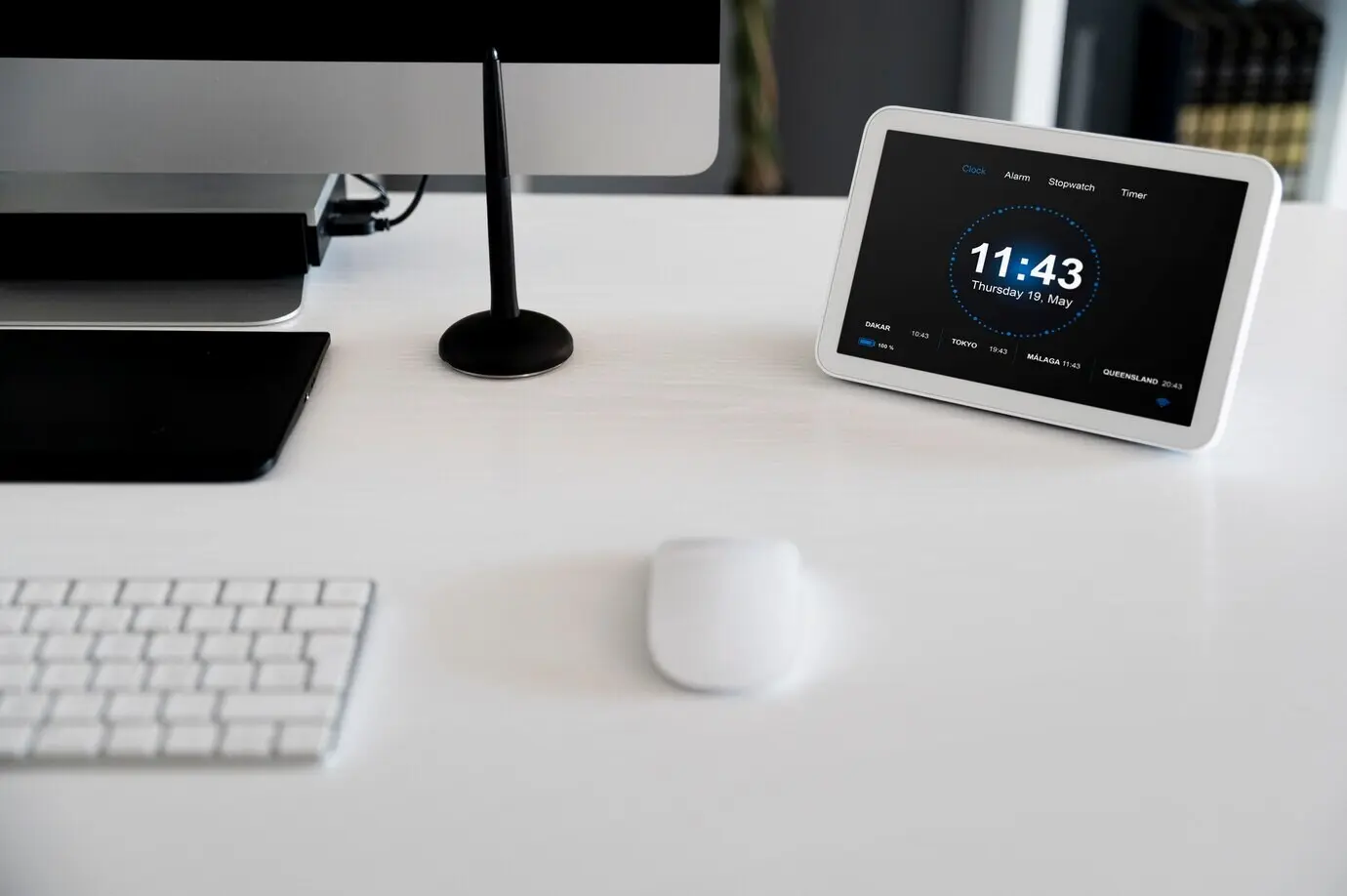
Find Your Team's Golden Hour

Today we dive into Remote Team Time Zone Overlap Visualizers for Daily Collaboration Windows, showing how clear, shared working hours unlock momentum. We will demystify the visuals, share real-world rituals, and offer practical integration tips so distributed teammates coordinate faster, protect focus, and collaborate with confidence across continents. Share your experiences and questions to shape future explorations together.

Why Overlap Windows Decide Momentum

Consistent, visible overlap windows transform scattered availability into dependable collaboration. When everyone knows exactly when real-time alignment happens, blockers move quickly, handoffs become reliable, and decision latency drops. That predictability reduces stress, protects deep work outside shared hours, and builds trust by making responsiveness intentional instead of accidental or intrusive across wildly different time boundaries.

From scattered hours to predictable rhythms

Without a clear picture of shared working time, teams chase each other through messages, meetings, and missed calls. A simple visual that highlights overlap converts chaos into rhythm, creating dependable slots for standups, pairing, or approvals. Predictability lowers cognitive load, supports planning, and helps teammates confidently arrange focused work and life responsibilities around an agreed collaboration heartbeat.

Trust built on visible availability

When a timeline shows exactly when people can respond, expectations become humane and explicit. Leaders stop micromanaging, teammates stop guessing, and relationships strengthen. Visibility reduces accidental late-night pings, makes response delays understandable, and gives everyone permission to switch off after hours. Over time, teams experience fewer conflicts and more empathy because availability is no longer a mystery.

Designing an Intuitive Overlap Visual

Great visuals minimize interpretation effort. Use clear horizontal timelines, labeled local times, and framed intersections that instantly spotlight who shares hours with whom. Distinguish night from day with gentle contrast, avoid clutter, and keep labels readable. Accessible color choices, keyboard navigation, and screen reader hints ensure everyone can leverage the tool equally, regardless of device or ability.

Selecting Tools and Integrations

Decide whether to adopt an existing visualizer or build your own. Evaluate calendar sync reliability, privacy safeguards, and frictionless links to chat and video tools. Consider Google Calendar or Outlook integration, Slack notifications, Zoom or Meet shortcuts, and options like World Time Buddy or Every Time Zone. Prioritize low overhead, accurate time conversions, and simple onboarding for non-technical teammates.

Daily Routines that Maximize Overlap

The 90-minute powerhouse

Reserve a 90-minute block for the highest-impact collaboration: quick standup, design review, unblock session, and pairing sprint. Start with a sharp agenda, then switch to co-working or breakout rooms. End with clear next steps and owners. This focused container replaces scattered calls, safeguards deep work, and creates reliable momentum that carries across time zones after the window closes.

Handoff rituals that travel the sun

Before the window ends, leave a crisp handoff: status, open questions, links, and the next decision needed. Record short walkthroughs when visuals help. Assign an issue owner to receive and continue. Morning teammates begin with that context, avoiding restart pain. Over time, this habit compounds, shrinking cycle times while maintaining quality and shared understanding across the entire distributed group.

Protecting focus beyond the window

Encourage do-not-disturb modes and status automation that reflect off-hours. Batch asynchronous updates into agreed times, and label non-urgent messages accordingly. Provide team norms for response expectations that default to humane timelines. These boundaries make the overlap precious and keep the rest of the day quiet, enabling deep work, learning, and recovery that sustain performance week after week.

Fairness, Wellbeing, and Long-Term Sustainability
A great schedule respects human lives. Rotate inconvenient hours so no region carries the burden. Publish a quarterly plan, note public holidays, and consider caregiving needs. Offer comp time or flexible swaps. Encourage people to say no to unhealthy patterns. With thoughtful norms and transparent visuals, collaboration becomes equitable, morale strengthens, and talent stays energized instead of slowly burning out.

Measure, Learn, and Iterate

Treat the visualizer and routines as a living system. Track cycle time, PR turnaround, decision latency, and after-hours activity. Correlate changes with schedule experiments, not assumptions. Collect narratives alongside metrics to reveal nuance. Publish updates, celebrate wins, and keep a backlog of improvements. Invite readers to share experiments, subscribe for new playbooks, and help refine patterns together.

Flow metrics over vanity charts

Focus on lead time, wait time, and queue lengths across handoffs, not just meeting counts. Look for reduced context-switching and fewer emergency pings. Beware seasonal effects and daylight saving anomalies when interpreting trends. Run small, time-boxed experiments with a clear hypothesis. Data should guide decisions, but never replace judgment or empathy for the humans represented by those numbers.

Stories that numbers cannot speak

Combine charts with anecdotes. A designer in Warsaw and an engineer in Toronto used a simple overlap strip to align on a complex interaction in one session, saving days of back-and-forth. Collect these stories, analyze what made them successful, and replicate conditions. Narrative evidence exposes friction that dashboards hide and highlights surprising opportunities for smarter, kinder collaboration habits.
Zexexizeminivuvi
Privacy Overview

This website uses cookies so that we can provide you with the best user experience possible. Cookie information is stored in your browser and performs functions such as recognising you when you return to our website and helping our team to understand which sections of the website you find most interesting and useful.