Paint Your Day: Make Time Visible and Work Flow
Today we explore Visual Workday Time Mapping, a practical way to turn invisible hours into a clear, colorful map that guides attention, energy, and momentum. Instead of guessing where the day went, you will see your commitments, buffers, and deep-work windows at a glance. We will blend tools, psychology, and real stories, then give you experiments that fit real life. Share your map with us, ask questions, and subscribe for ongoing prompts that keep your practice fresh, flexible, and joyful.
Why Seeing Time Changes Everything
When time is only a list, your brain must constantly remember, sequence, and re-decide. A visual map frees working memory, revealing conflicts, empty gaps, and opportunities for focus. This shift feels small yet transforms stress into clarity, because what was fuzzy becomes concrete. You recognize patterns, anticipate friction, and finally plan compassionately, not heroically. By seeing your day, you design it, instead of being dragged by interruptions, emergencies, and vague obligations that quietly expand to fill every available minute.
Choosing Your Canvas
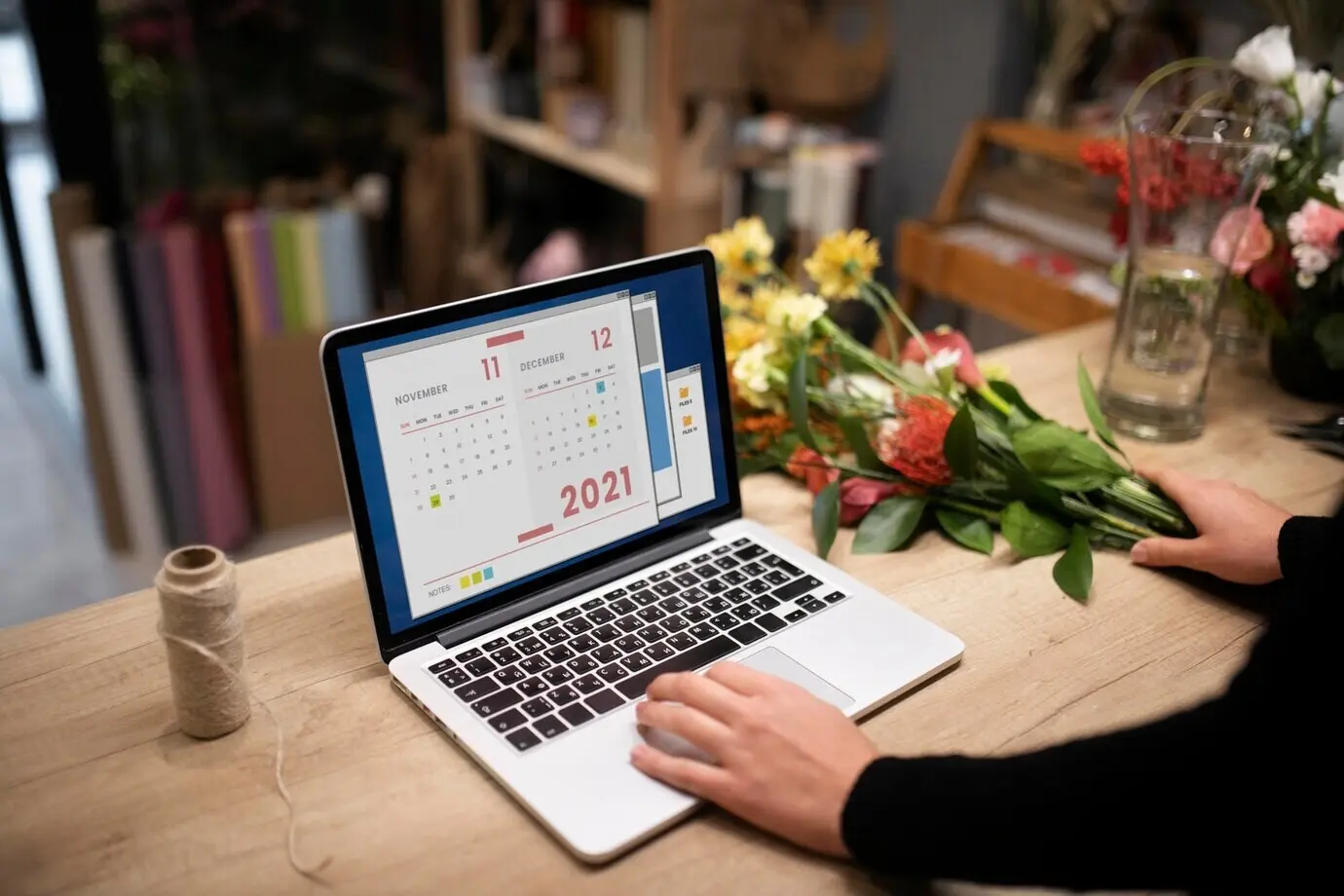
The best canvas is the one you will actually use daily. Digital calendars offer layers, reminders, and sharing. Whiteboards and sticky notes invite tactile thinking and fast rearrangement. Timelines and Kanban boards turn complexity into manageable chunks. Try several, notice your emotional response, and choose clarity over cleverness. Keep a single source of truth to avoid conflicting plans. Remember, a canvas is not a cage; it is a stage where your attention choreography becomes easier, lighter, and repeatable.
Designing Blocks That Match Your Energy
Great blocks respect biology, not bravado. Align complex thinking with your natural peaks, batch shallow tasks when energy dips, and plan recovery before you actually need it. Name the block clearly, add a visible outcome, and include a tiny warm-up to beat inertia. Protect transitions with five-minute resets. When a block ends, log what truly happened. Over days, you will tune lengths, reorder segments, and finally shape a schedule that feels sustainable and quietly powerful.
Find Your Focus Windows with Gentle Experiments
Run a two-week experiment: track alertness every ninety minutes, then compare against your calendar. Mark times where deep thinking flowed easily, and where it stalled. Shift one important block into a high-energy window, and move routine work elsewhere. Notice mood, speed, and error rates. Keep what works, discard what does not. This compassionate testing avoids perfectionism and builds confidence. Your map begins to mirror your real rhythms, making big efforts feel lighter and far more attainable.
Meetings That Respect Cognitive Cycles
Place decision-heavy meetings near collective peaks, not after lunch slumps. Keep updates asynchronous whenever possible, then reserve live time for alignment and risk. Cap sessions at fifty minutes to leave transition space. Color code preparation clearly, so discussions start informed. If a meeting drifts, pause and reframe the outcome on the map. This approach protects attention, prevents fatigue, and makes collaboration honest. People leave with energy intact, and the day remains navigable rather than frustratingly fragmented.
Transitions, Buffers, and Recovery Rituals
Productive days hinge on what happens between blocks. Add five to ten minutes to close loops, jot decisions, stretch, hydrate, and breathe. Use a short ritual to signal a mode shift, like a playlist, door walk, or notebook sweep. Treat buffers as sacred, not optional. When you protect recovery, your next block starts fast and focused. Over a week, these tiny investments save hours by preventing cognitive residue, context confusion, and the exhausting churn of endless, unnecessary re-starts.

Trace Actuals against Intent, Without Shame
Create a simple mirror layer that records what truly happened. If a task overflowed, note the cause and the new duration. If you rescued a block, celebrate how. Avoid judgmental labels; curiosity builds better maps. Over time, your estimates sharpen, buffers grow realistic, and repeated blockers become visible candidates for elimination. The point is learning, not perfect compliance. When the map welcomes truth, it becomes a trusted partner, not another source of pressure or disappointment.
Signal and Adjust in Real Time
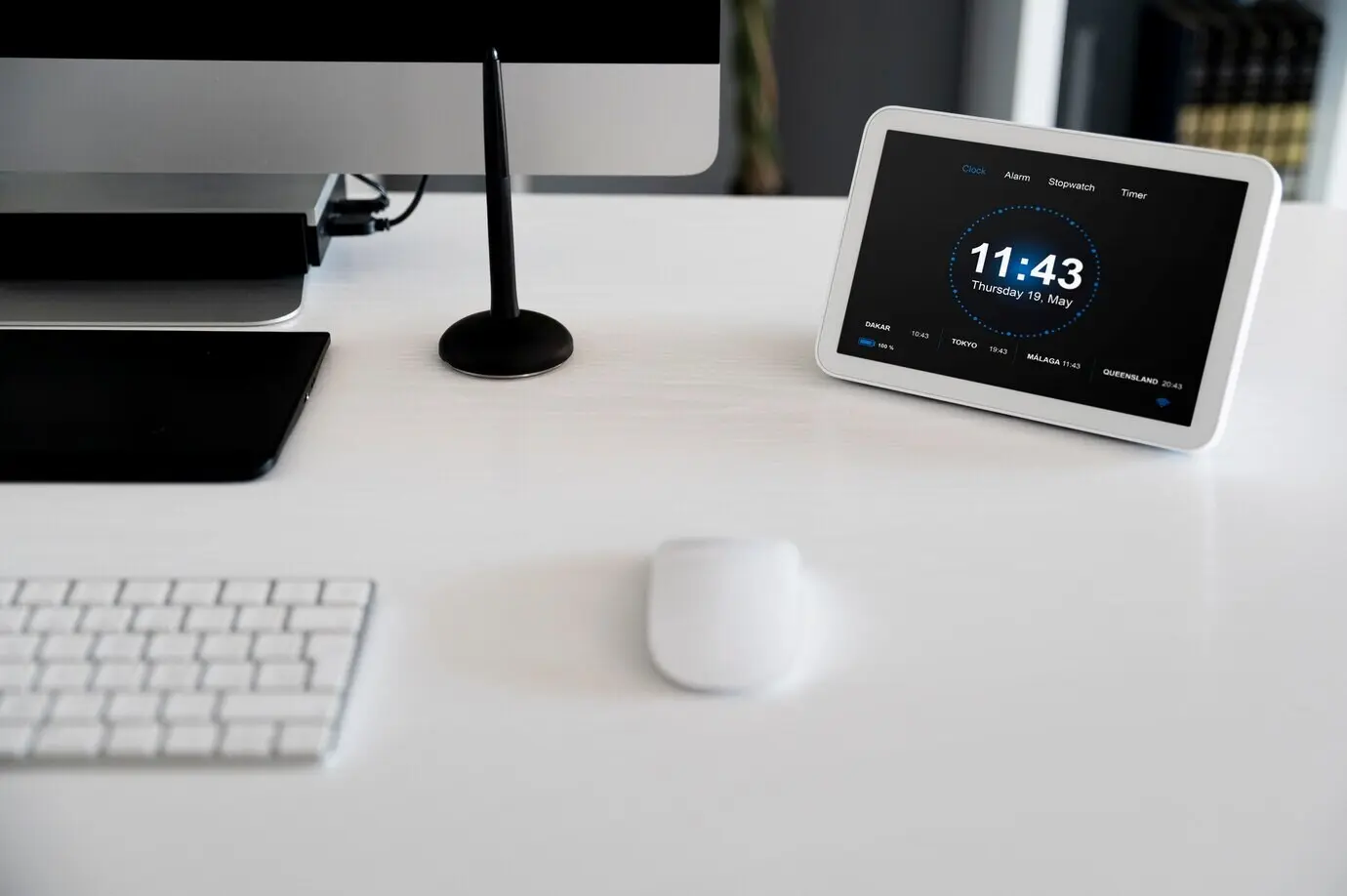
Use small signals to steer the day: a tag for delays, a color flicker for priority shifts, or a short note about unexpected requests. If two blocks collide, reschedule intentionally rather than silently compressing both. Message stakeholders with a snapshot explaining the change and the new outcome. These micro-adjustments prevent cascading stress and keep your attention honest. A map that flexes early protects deep work later, preserving momentum when it matters most for meaningful progress.

Weekly Review: Harvest Insights, Plant Improvements
End the week by scrolling through your map and asking three questions: What worked beautifully? What repeatedly slipped? What one experiment will I try next? Capture a tiny improvement, like thicker buffers on Fridays or a fixed prep block before 1:1s. Archive a visual before-and-after for motivation. Share a highlight with your team to normalize iteration. This ritual transforms experience into skill, making next week’s map smarter, kinder, and easier to follow consistently.
Team-Level Maps that Reduce Friction
Teams thrive when time is coordinated with empathy. Publish shared legends, mark deep-work windows, and make office hours explicit. Visualize handoffs on a simple timeline, so dependencies land where energy exists. Protect quiet hours for focused work, and agree on emergency lanes for truly urgent issues. With shared expectations visible, coordination becomes lighter, fewer pings are needed, and collaboration feels respectful. The map becomes a living agreement instead of scattered assumptions and calendar chaos.


All Rights Reserved.